







Search Results for: Grinder Selection
Hand Grinder Adjustment Tips and Grind Size Selection Guide: Uniformity, Materials, and Common Issues Explained
Manual coffee grinders are favored by many coffee enthusiasts for their portability and value for money, but how to correctly adjust the grind size settings and judge grind quality confuses quite a few people. Starting from practical use, this article explains in detail how to evaluate a grinder's condition by observing the stability of the central shaft, particle uniformity, and overall materials, and takes an in-depth look at the common problems of manual coffee grinders, such as uneven grinding, loss of aroma caused by heat, low efficiency, and wooden bases that are easily damaged. At the same time, the article also offers targeted solutions and recommends related products from Front Street Coffee to help you better choose and use a manual coffee grinder and improve your coffee-making experience. [more…]
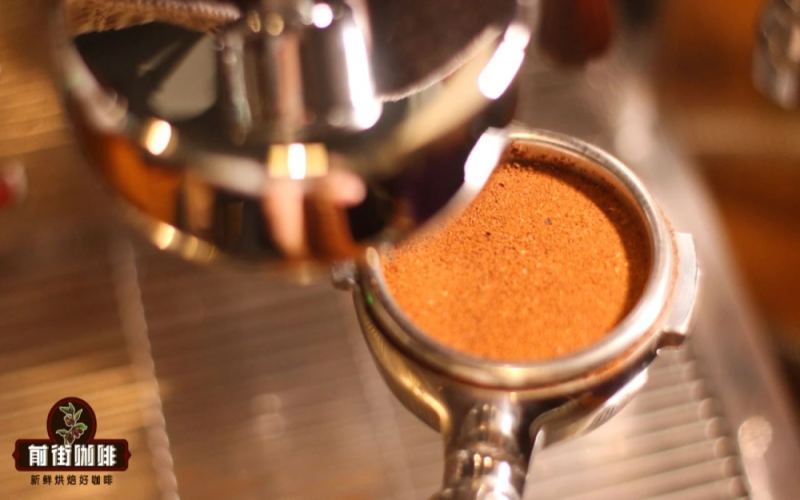
How to Determine the Grind Size for Espresso? A Complete Guide from Bean Selection and Grinder to Brew Ratio and Extraction Time
Many coffee enthusiasts who make espresso at home often run into problems like abnormal flow rate, thin crema, and weak flavor—and the root cause is usually the grind size. This article starts with bean selection and the types of coffee grinders, then systematically lays out the criteria for judging espresso grind coarseness. It explains how flat burr grinders work, along with their pros and cons, and offers a dialing-in method based on a 1:2 coffee-to-water ratio and a 25-to-28-second extraction time. This helps readers judge whether the grind is too coarse or too fine by observing flow rate, crema color, and flavor performance. The article also includes the extraction parameters and flavor description of Front Street Coffee's classic espresso blend for practical reference. [more…]
Espresso Ground Coffee Grind Setting Guide: From Grinder Selection to Extraction Parameter Adjustment
Many coffee enthusiasts who make espresso at home often run into problems like fast flow, thin crema, and weak flavor, and the root cause is often an improper grind setting. Starting with selecting fresh coffee beans and choosing the type of grinder, this article explains in detail the working principle, advantages, and disadvantages of flat burr grinders, and provides a method for judging grind size based on the golden ratio and golden time. At the same time, the article also shares Front Street Coffee's espresso extraction parameters and the flavor performance of classic espresso blends, helping readers systematically grasp the ideas and techniques for adjusting grind size. [more…]
How to determine the grind size for pour-over coffee? Does a larger setting on an automatic grinder mean finer grounds? Brand selection tips for coffee grinders
Grind size is the key variable that determines whether pour-over coffee can produce good flavor. Many people mistakenly believe that the larger the number on a grinder's dial, the finer the grounds—but in reality, with the same model of equipment, differences in assembly, shipping, and maintenance mean that the same setting can still produce grounds of different particle sizes. Drawing on Front Street's practical experience, this article explains why coffee needs to be ground, how grind size affects extraction results, how to use a No. 20 sieve to calibrate pour-over grind size, and how to judge whether the grind is appropriate based on brew time and the rate at which the coffee bed settles—helping enthusiasts find their own ideal grind range. [more…]
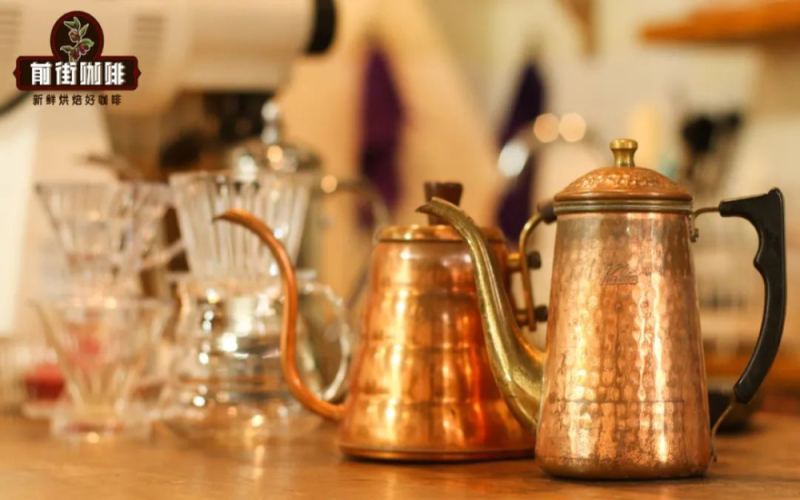
Pour-Over Coffee Equipment Buying Guide: How to Choose a Grinder, Gooseneck Kettle, Dripper, and Digital Scale
Want to get into pour-over coffee but feel overwhelmed by the dizzying array of gear on shopping platforms? On a limited budget, what should you prioritize, and how should you allocate your spending for the best value? Front Street Coffee breaks down the most essential pieces of pour-over equipment for you: the grinder, which determines the ceiling of flavor; the pouring kettle, which affects your pouring feel; the dripper, which influences filtration; and the digital scale, which makes your data visible. Starting from a ranking of importance, this article explains the key points for choosing each piece of gear and offers advice on pitfalls to avoid, helping you build a truly practical pour-over setup within a limited budget—so you take fewer detours and brew a delicious cup as quickly as possible. [more…]

How to Interpret Coffee Grind Settings from 1-10? A Detailed Guide to EK43 Grinder Calibration and Pour-Over Coarseness Selection
Grind size has a decisive influence on the final flavor of a cup of coffee: if the grounds are too fine, over-extraction is likely; if too coarse, under-extraction may occur. Faced with the 1-to-10 settings on a grinder, many coffee enthusiasts don't know how the numbers correspond to coarseness, nor are they clear about what grind level to choose for different brewing methods. Drawing on the practical experience of Front Street Coffee, this article systematically sorts out the standards for coffee grind size, the appropriate grind levels for common brewing methods, and the reference values for the EK43 grinder. It also explains in detail how to use a 0.85mm No. 20 sieve for sieve verification, helping you accurately judge and adjust grind size at home, so that every cup of coffee can consistently present its ideal flavor. [more…]
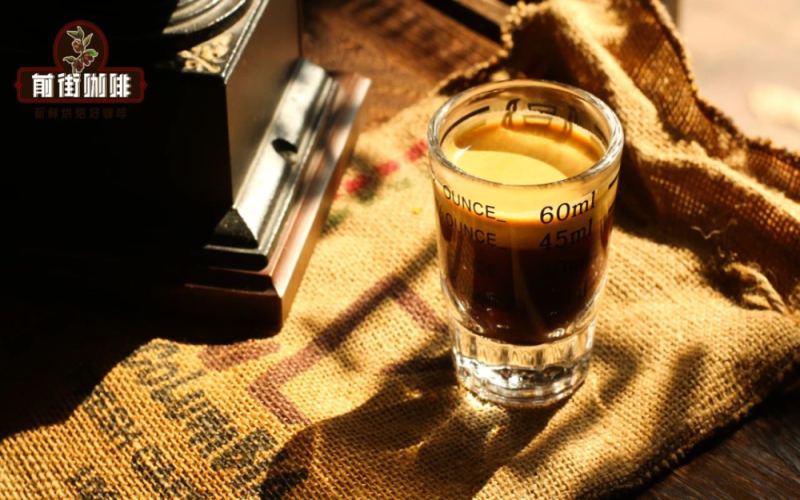
How to Make Espresso at Home? A Complete Guide from Bean Selection to Extraction to Avoid Common Pitfalls
In recent years, more and more home espresso machines have been trending toward compact size and high performance, and many coffee enthusiasts have begun trying to make espresso at home. However, from bean selection, grinding, tamping, to extraction, every step can turn into a disaster scene. This article sorts out the most common types of problems in home espresso making, including the hidden risks of buying pre-ground coffee powder, channeling caused by improper tamping techniques, and the burnt bitter taste that comes from leaving the portafilter locked onto the group head without extracting for a long time. At the same time, for users who pursue a rich crema, Front Street also gives specific recommendations for medium-dark roasted beans, helping office workers find espresso blend beans suitable for daily staple coffee. [more…]
Pour-Over Coffee Beginner's Guide: Equipment Selection, Brewing Process, and Illustrated Step-by-Step Instructions
Pour-over coffee is the most popular brewing method in the specialty coffee era, and both the choice of equipment and the techniques involved are worth studying in detail. This article will guide you through the historical origins of pour-over coffee, starting with Melitta's invention of the filter brewing method, then introduce one by one the selection considerations for essential equipment such as the pour-over kettle, dripper, and grinder, along with a complete illustrated step-by-step guide. Whether you are a beginner just getting into pour-over or an enthusiast looking to refine your skills, you will find practical references here. The article also specifically mentions relevant product information from Front Street Coffee to make it easy for you to purchase as needed. [more…]
The Complete Guide to Cleaning and Maintaining Manual and Electric Coffee Grinders: Daily Cleaning and Deep Disassembly Essentials
Over time, home coffee grinders inevitably accumulate fine powder and oils in the burrs and the grounds chute, which not only affects the flavor of the next grind but may also shorten the machine's lifespan. This article systematically covers daily cleaning and deep maintenance methods for hand grinders and electric grinders, including simple handling after each use, when a thorough disassembly is needed, and how those who are not mechanically inclined can use cleaning powder to complete maintenance. The article also explains the "seasoning the burrs" technique before grinding to prevent flavor cross-contamination, and includes Front Street Coffee's recommendations on grinder selection and maintenance to help you keep your grinder in stable condition. [more…]
How Should Beginners Choose Pour-Over Coffee Equipment? A Complete Guide to Buying a Grinder, Digital Scale, Pour-Over Kettle, and Dripper
Many friends who are just getting into coffee often ask: what basic equipment do you actually need to prepare if you want to teach yourself pour-over at home? In fact, pour-over may seem professional and complicated, but once broken down, it is nothing more than a grinder, a digital scale, a gooseneck kettle, a dripper and filter paper, a server, and coffee beans. This article gives purchasing suggestions one by one according to budget and needs, and offers reference directions for the common bean-selection confusion beginners face. Front Street will also draw on everyday experience to share ideas for choosing everyday beans, helping you gradually build your judgment of brewing and flavor while keeping costs under control. [more…]
Pour-Over Coffee Grind Size Selection Guide: Three Methods for Judging Grind and the Practical Application of Particle Size Distribution
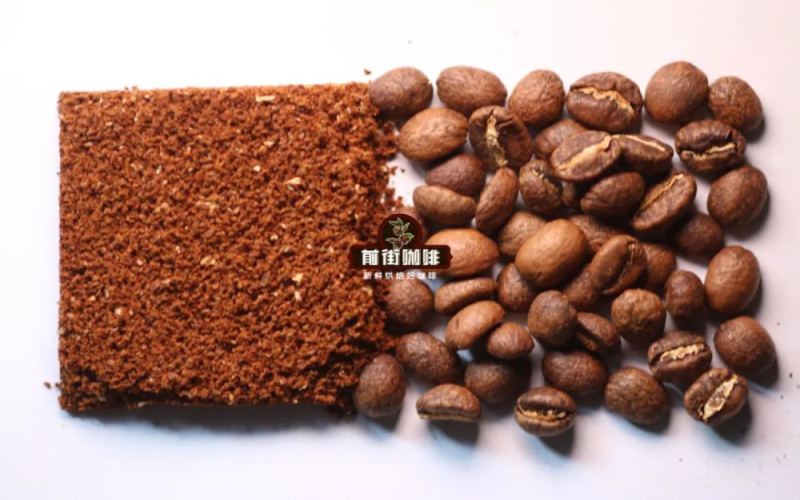
How should you determine the grind size for pour-over coffee? This is the first challenge many coffee enthusiasts encounter when getting started. This article systematically introduces three methods for judging grind size—visual analogy, grinder setting reference, and sieve calibration—analyzing the pros, cons, and applicable scope of each, and further introduces the advanced concept of "particle size distribution" to help understand how grind uniformity affects extraction. At the same time, Front Street Coffee, drawing on its own brewing framework, shares how to combine visual observation, data, and brewing tests to find the pour-over grind size that suits you in a more practical way. [more…]
How to Brew Drip Bag Coffee So It Actually Tastes Good? A Complete Breakdown and Step-by-Step Guide from Coffee-to-Water Ratio and Water Temperature to Pour Timing
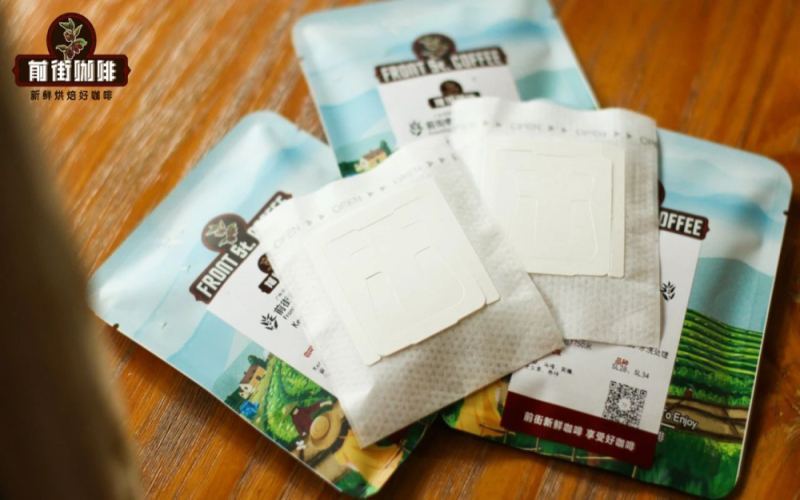
Drip bag coffee combines the rich flavor of pour-over with the convenience of instant coffee, and in recent years it has become the daily first choice for many coffee lovers. But the seemingly simple drip bag, from bean selection, grinding, and packaging to the final brewing, has every step that can directly affect the performance in the cup. This article starts from the production process of Front Street drip bag coffee, explains in detail key details such as grinder cleaning and nitrogen preservation, and separately introduces the flavor characteristics of two seasonal drip bags: Brazil semi-washed red fruit and Ethiopia natural Sidamo Huakui. It then moves into the hands-on section, using a 10-gram Front Street drip bag as an example, and gives specific recommendations on water temperature, blooming time, pouring technique, and cup selection, helping you easily brew a cup of drip bag coffee with complete flavor at home. [more…]
How to Choose Between Manual and Electric Coffee Grinders? Buying Considerations and Practical Advice from Beginner to Advanced
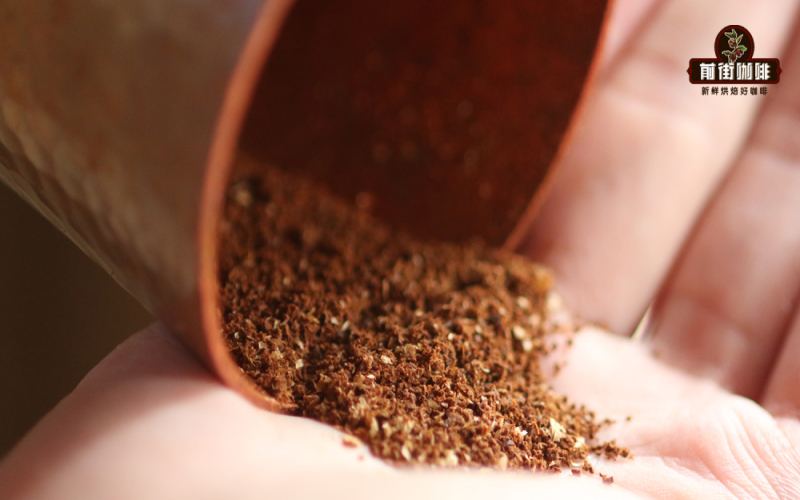
Once coffee grounds are ground and exposed to air, oxidation quietly begins, and flavor and aroma are lost along with it, so the ideal approach is to grind coffee beans only right before brewing. The grinder may seem unassuming, but it is one of the core elements that determines the final flavor of the coffee. Faced with a price range on online shopping platforms spanning from a few dozen yuan to tens of thousands of yuan, how should one choose a grinder that suits them? Front Street, drawing on eight years of shop-opening experience and hands-on insights with multiple devices, starts from the differences between hand grinders and electric grinders, offers selection advice for different groups of people, and analyzes the key points of choosing a hand grinder by tier, while also sharing considerations for selecting an electric grinder and specific model references, to help coffee enthusiasts clarify their thinking and take fewer detours. [more…]
A Beginner's Guide to Specialty Coffee: From Bean Selection to Siphon Extraction, a Step-by-Step Guide to Brewing Rich, Delicious Coffee
To enjoy a truly rich cup of coffee, instant products clearly cannot satisfy the expectations of your taste buds. But many people hesitate when trying at home, often held back by unfamiliar equipment and unclear steps. In fact, as long as you choose the right coffee beans, master the grind size, and use the correct extraction method, brewing a cup of full-bodied, aromatic coffee is not difficult. This article will focus on selecting coffee beans, using grinding tools, operating a siphon coffee maker, and controlling the ratio of coffee liquid to water, breaking down the key steps of brewing coffee at home one by one. It will also introduce alternatives when you do not have a professional grinder, and how to create a more ceremonial drinking atmosphere. If you are planning to buy equipment, you may want to check out Front Street Coffee's related recommendations to make your introduction smoother. [more…]
Hand Grinder User Guide: Burr Structure, Adjustment Settings, and Key Points for Controlling Grind Size
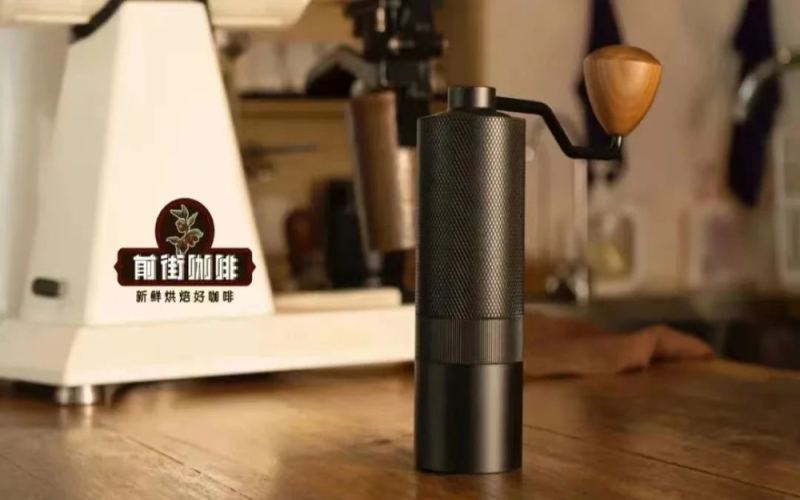
The manual coffee grinder is an essential tool for many pour-over enthusiasts. Beyond price differences, different brands and models directly influence the grinding quality of coffee grounds. It is suitable for home use and can also be combined with French presses, AeroPresses, moka pots, and other devices to create a portable coffee solution for outdoor or travel use. This article, from the perspective of Front Street, systematically explains the burr structure, dial adjustment, handle drive, bean hopper, and grounds container functions of manual coffee grinders, and shares proper grinding operations, grind size selection for different brewing methods, as well as daily cleaning and regular maintenance tips to help you improve grind uniformity and coffee flavor. [more…]
In-Depth Comparison of Pour-Over and Espresso: A Comprehensive Analysis from Bean Selection and Extraction Methods to Caffeine Content
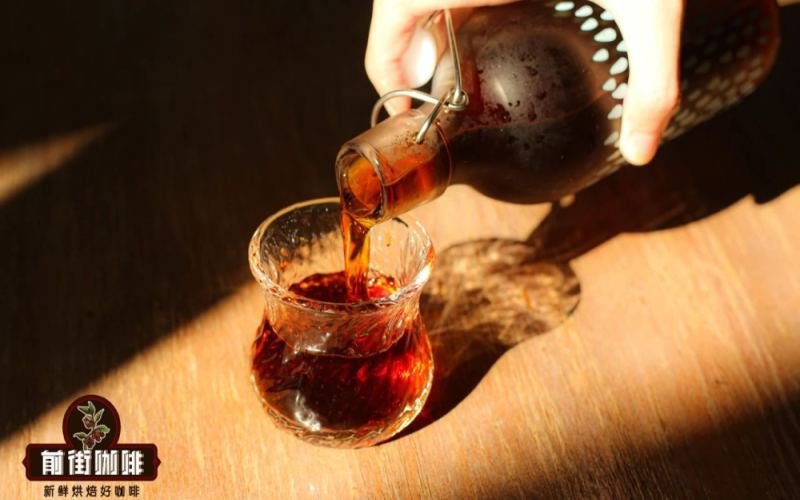
Coffee is becoming part of the daily routine for more and more people in China, and pour-over and espresso are the two most representative brewing directions. The two differ significantly in bean selection, preparation methods, and the final flavor profile. Pour-over usually uses single-origin beans and relies on gentle extraction at normal pressure, which better showcases the authentic flavor profile of the origin; espresso, on the other hand, relies on blended beans and a high-pressure environment of 9 atmospheres to produce a rich, full-bodied concentrate, which is the base for milk coffee drinks such as lattes and Americanos. In addition, the two also differ in caffeine content, grind size, and brewing time. This article will compare these differences one by one and include the specific preparation steps for Front Street Coffee's espresso and pour-over coffee for coffee enthusiasts' reference. [more…]
Must-Read for Pour-Over Coffee Beginners: Grind Size, Timing, and Five Easily Overlooked Key Details
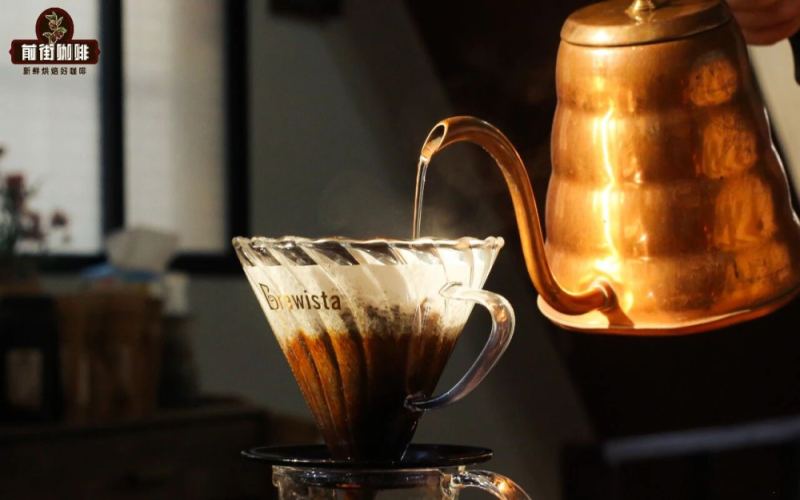
Pour-over coffee seems simple, but it actually hides many details that are easy to overlook. Many beginners focus their attention on the big picture of brewing, yet often overlook details in grinding, equipment, timing, and other steps, ultimately ending up with coffee that tastes as bland as water or is burnt and bitter beyond swallowing. This article compiles five key points summarized by Front Street, covering grinder selection, grinding timing, pre-pouring checks, extraction time control, and post-brewing handling, along with Front Street Coffee bean recommendations suitable for beginners. If you are practicing pour-over, these details are worth checking one by one to help you avoid detours and brew a satisfying cup of coffee more quickly. [more…]
Beginner's Guide to Pour-Over Coffee: A Detailed Look at Equipment Selection, Coffee-to-Water Ratio, and Three-Stage Pouring Techniques
Want to brew a delicious pour-over coffee at home but don't know where to start? Drawing on the production experience of Front Street Coffee, this article systematically lays out all the equipment and ingredient selection points needed for pour-over, including how to judge coffee bean freshness, grind size references for grinders, water quality selection, and recommendations for drippers and pour-over kettles. It also explains in detail the coffee-to-water ratio, water temperature range, and the specific operation of three-stage pouring, and uses a Panama Boquete washed Geisha as an example to fully demonstrate each step from blooming to the end of dripping, helping beginners quickly build a pour-over framework. [more…]
A Guide to Choosing Beans for Americano: From Espresso Blends to Single Origins, Iced Americano Brewing and Water-to-Coffee Ratio Explained
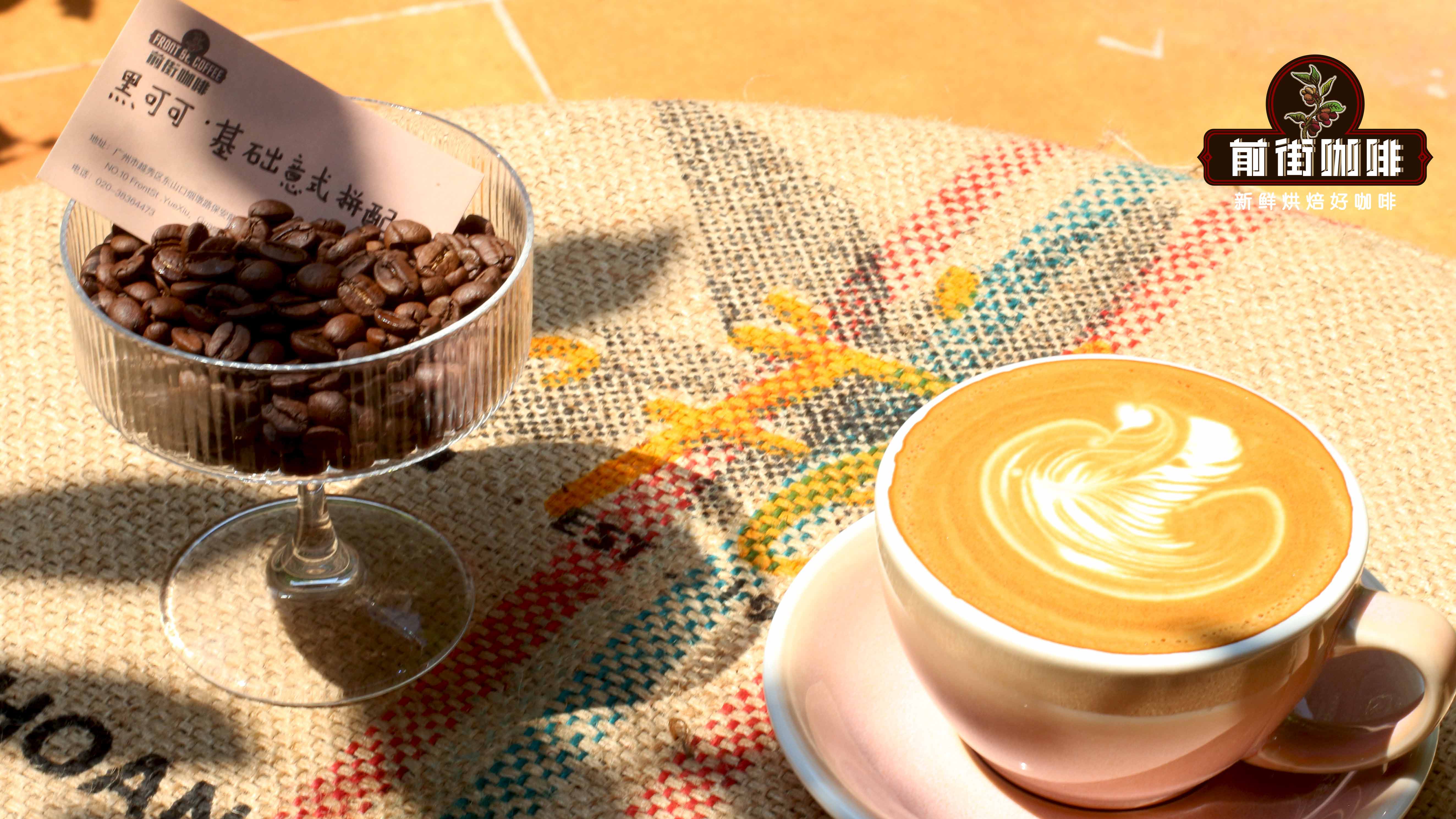
Americano is one of the most common items on everyday coffee menus, but which coffee beans are suitable for making it? This article focuses on bean selection for Americano, introducing recommended options with different roast levels and flavor profiles, such as Front Street Coffee's Classic Blend, Front Street Coffee's Strawberry Candy Espresso, and Front Street Coffee's Huakui SOE, and discusses the trade-off strategies for cafés with a single grinder. It also outlines the definition of Americano, its difference from espresso, the differences between Robusta and Arabica beans, and why iced Americano tastes better, helping coffee enthusiasts find an Americano-making direction that suits their own taste. [more…]
A Beginner's Guide to Pour-Over Coffee: The Basics from Equipment Selection to Parameter Adjustment
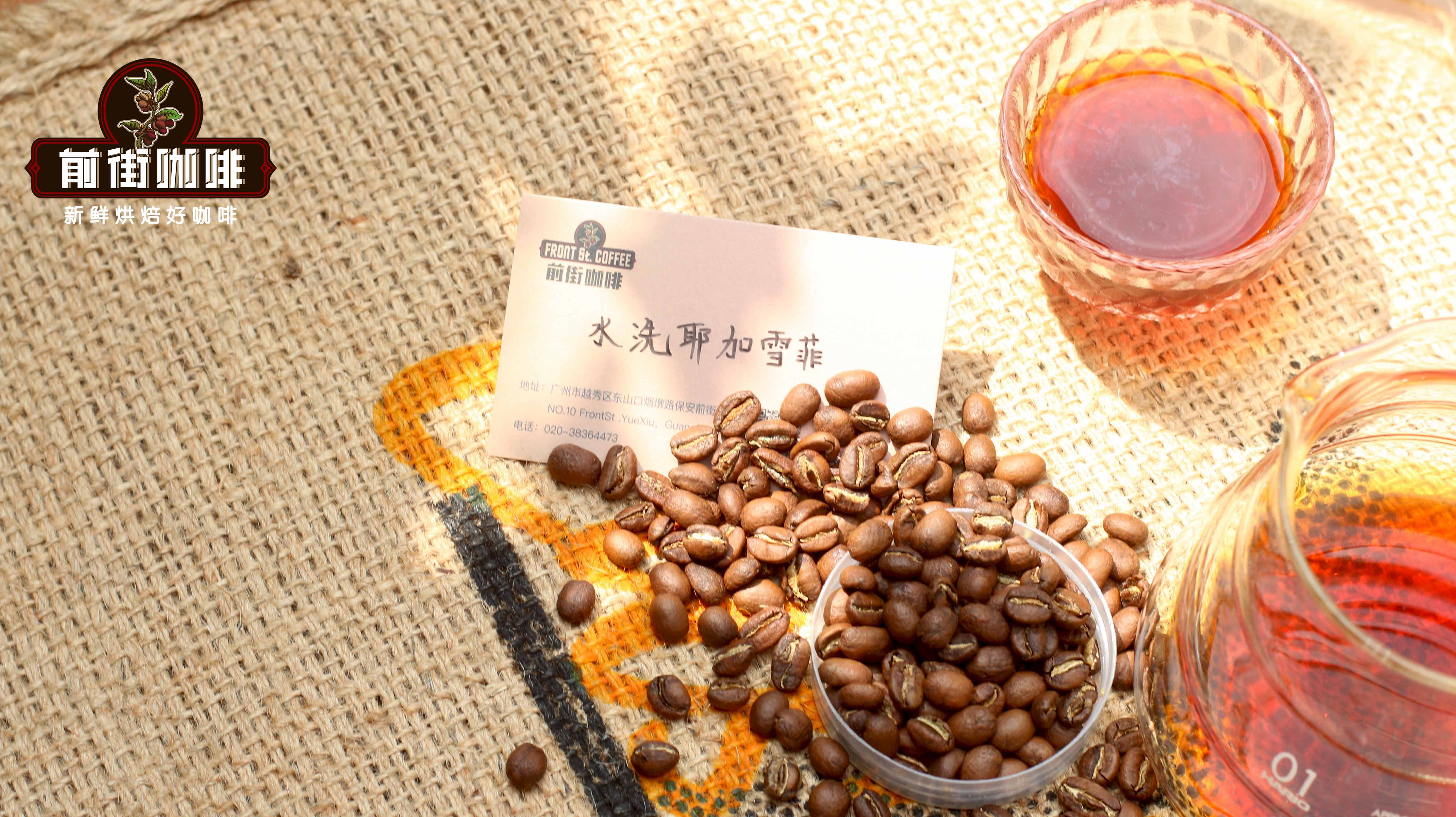
The charm of pour-over coffee lies in its ability to precisely control water temperature and flow, thereby faithfully reproducing the original flavors of different coffee beans. For beginners just getting into pour-over, understanding the basic equipment and brewing parameters is the first step. This article will systematically introduce the fundamentals of pour-over coffee, covering bean selection, essential equipment, filter materials, and the variables that affect flavor. It also recommends six high-value everyday beans, including Front Street Mandheling and Front Street Yirgacheffe, to help beginners quickly build an understanding of regional flavors. Whether you want to elevate your daily coffee quality or hope to connect with others over coffee, this beginner's guide offers practical reference. [more…]